Simulation Medicine
The Simulation Center is an essential component of the CHRISTUS Health – Texas A&M Spohn Emergency Medicine Residency Program. Our state-of-the-art Simulation Center provides an advanced learning environment for residents to develop their clinical skills, enhance decision-making abilities, and foster effective teamwork through immersive simulation experiences. The curriculum is meticulously crafted and continually updated by the Emergency Medicine faculty, ensuring its relevance and effectiveness.
Advantages of Our Sim Program
-
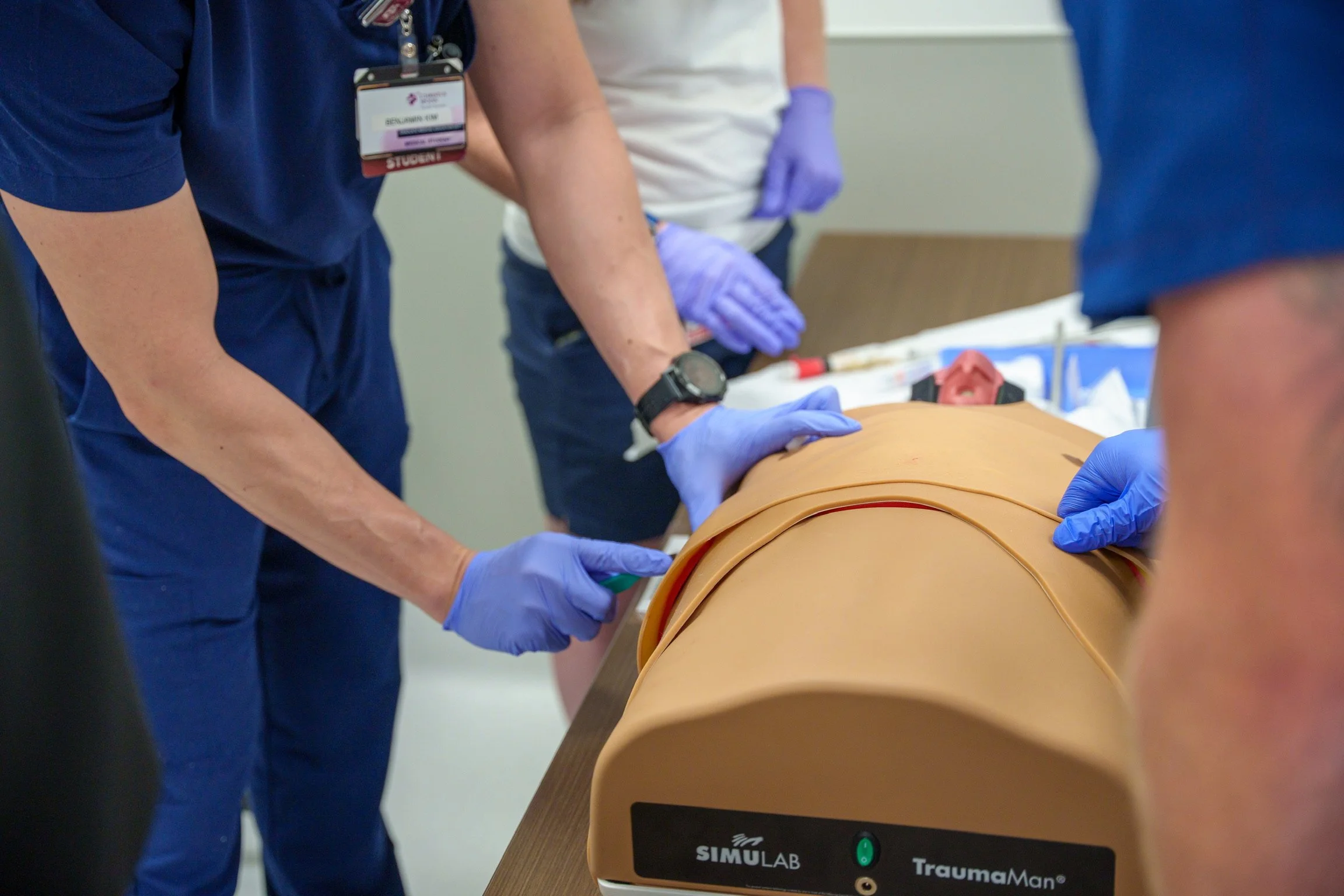
The curriculum is designed to offer residents hands-on learning opportunities that closely mirror real-life emergency situations. By utilizing high-fidelity simulation mannequins, cutting-edge medical equipment, and lifelike clinical scenarios, residents can engage in realistic patient care encounters within a controlled and safe environment.
-
Simulation encounters and procedure labs are integrated into the weekly didactic sessions allowing residents to apply the knowledge gained from didactic lectures and apply it directly to simulated patient encounters and procedural skills labs.
-
Our extensive simulation equipment currently includes infant, pediatric and adult simulation models as well as dedicated obstetrical and ultrasonographic models and a multitude of procedural task trainers. We offer a Simulation Medicine elective for residents and medical students with an interest in this evolving educational modality during specific parts of the academic year. Our Simulation Center is overseen by our simulation coordinator Dallas Cantu, and our Director of Simulation Medicine, Dr. Shani Italiya.
-
Our in-house 3D printing services have given us the capabilities to quickly produce procedural models such cricothyroidotomy, pericardiocentesis and lateral canthotomy trainers to name a few.
-
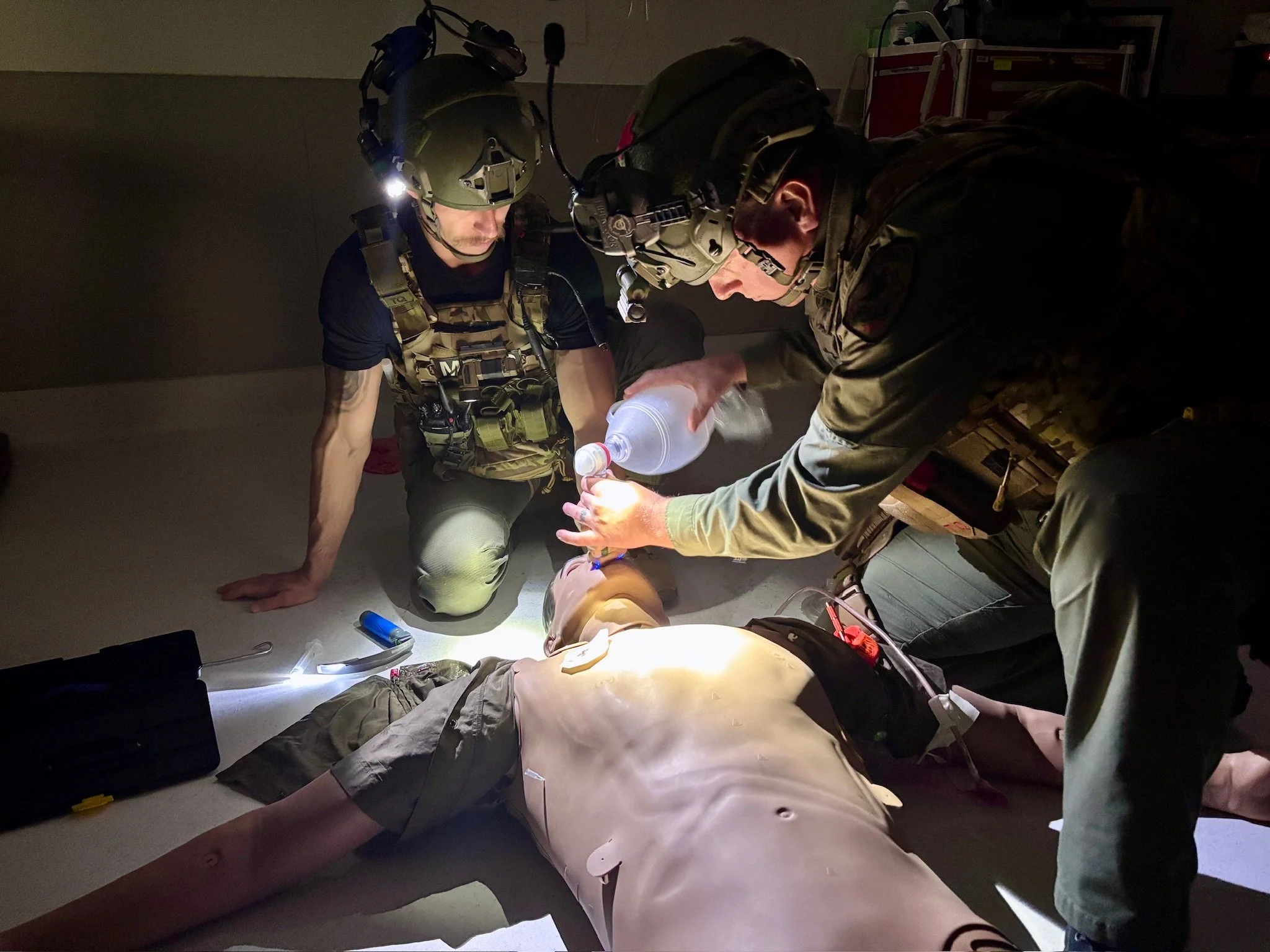
In an effort to provide a comprehensive and real-world educational experience, the curriculum extends beyond the boundaries of the hospital. Throughout select portions of the academic year, the curriculum incorporates collaborations with Emergency Medical Services (EMS) providers and the local Corpus Christi SWAT team. This offers residents unique opportunities to practice pre-hospital care, refine communication strategies during patient handoffs, and navigate high-stress, high-acuity situations encountered in tactical emergency medicine.
Residents also collaborate with the Naval Health Clinic at the Naval Air Station to teach the Tactical Combat Casualty Care Course to medics.
By engaging with EMS, SWAT team, and medics, residents gain exposure to the challenges and complexities of emergency care outside the hospital setting.