CHRISTUS Health / Texas A&M
CORPUS CHRISTI
EMERGENCY MEDICINE
RESIDENCY PROGRAM
With a focus on both clinical expertise and academic excellence, you’ll gain invaluable experience in real-world emergency medicine
CCEMRP at a glance
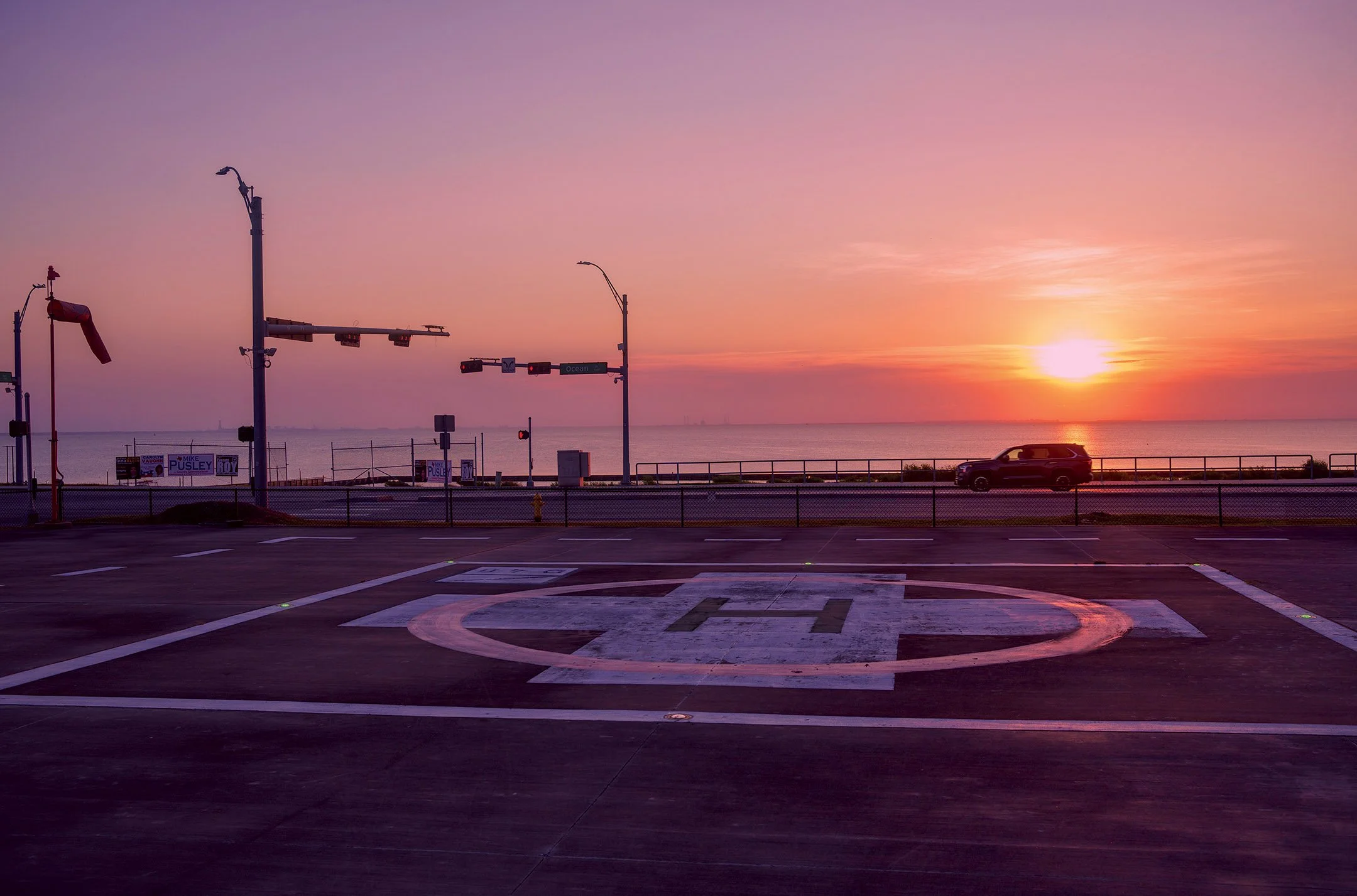
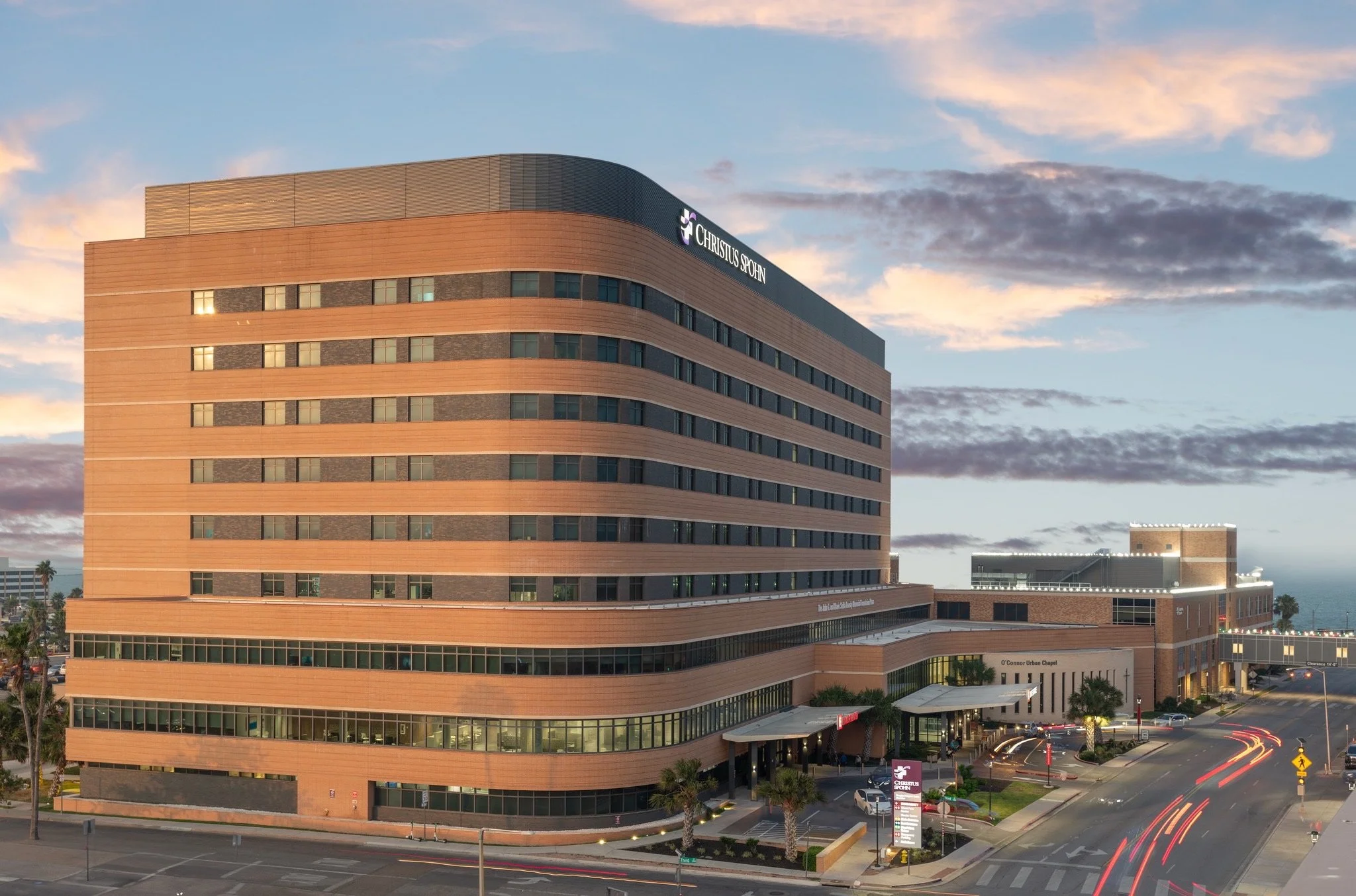
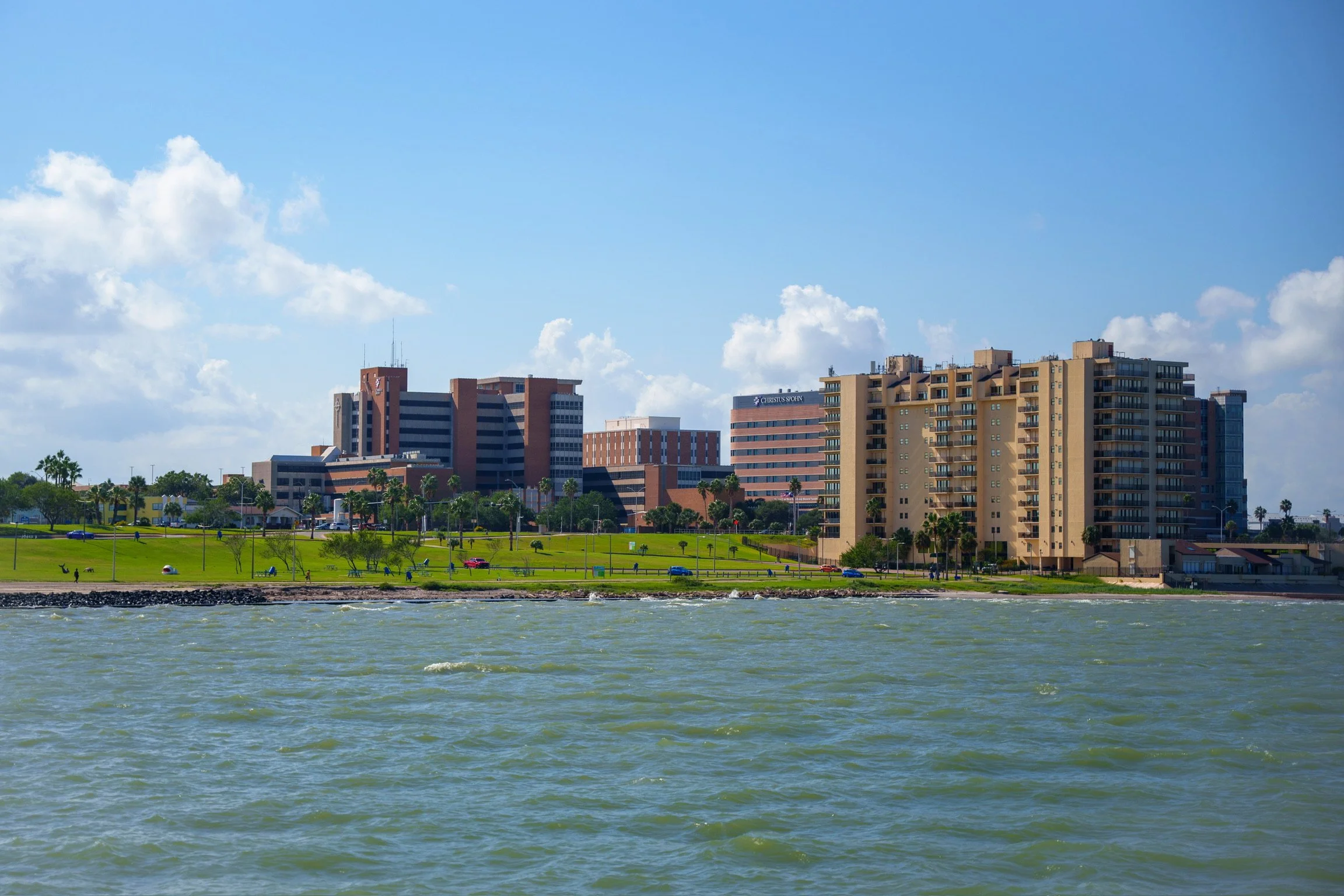
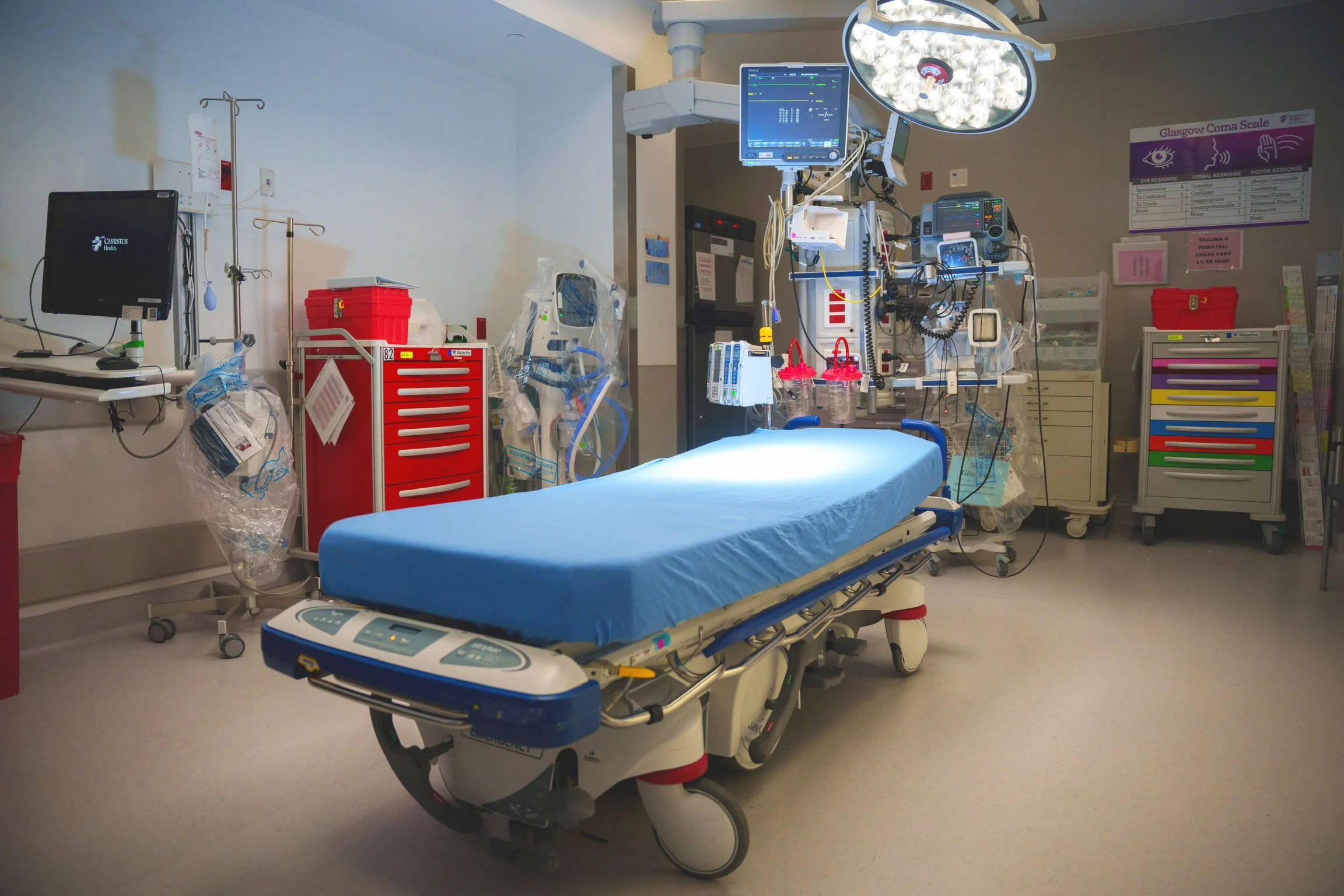
Our program offers a 3-year (PGY1 to PGY3) residency with exceptional learning opportunities in our Emergency Department located along the Texas Gulf Coast.
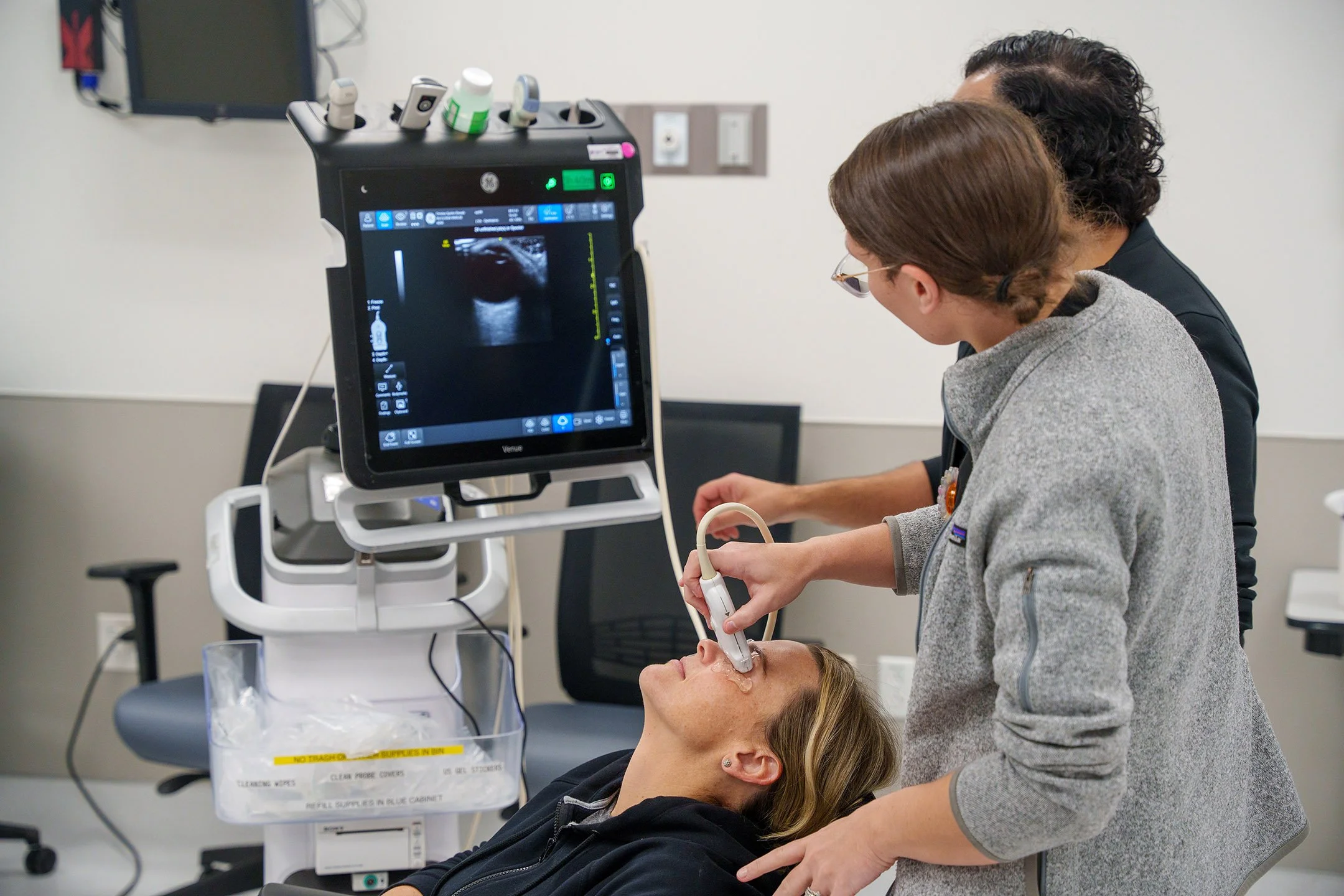
We provide residents with the knowledge, procedural skills, and clinical decision-making necessary to practice in any emergency medicine environment.
Check out our program video below to see what we’re all about!
Highlights of Our
Residency Program:
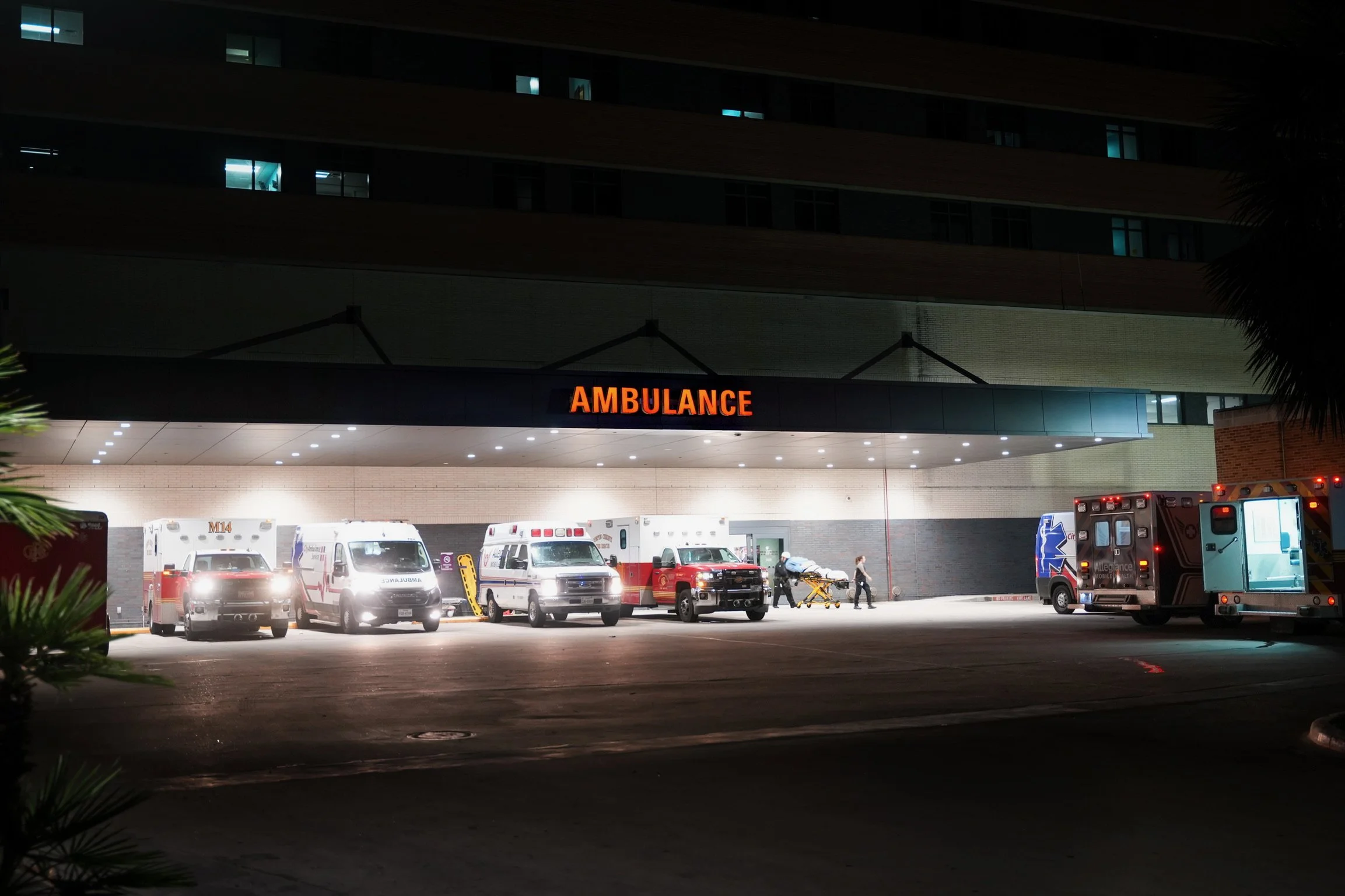
High-Acuity Patient Population
Unopposed
Procedural Access
Resident Autonomy
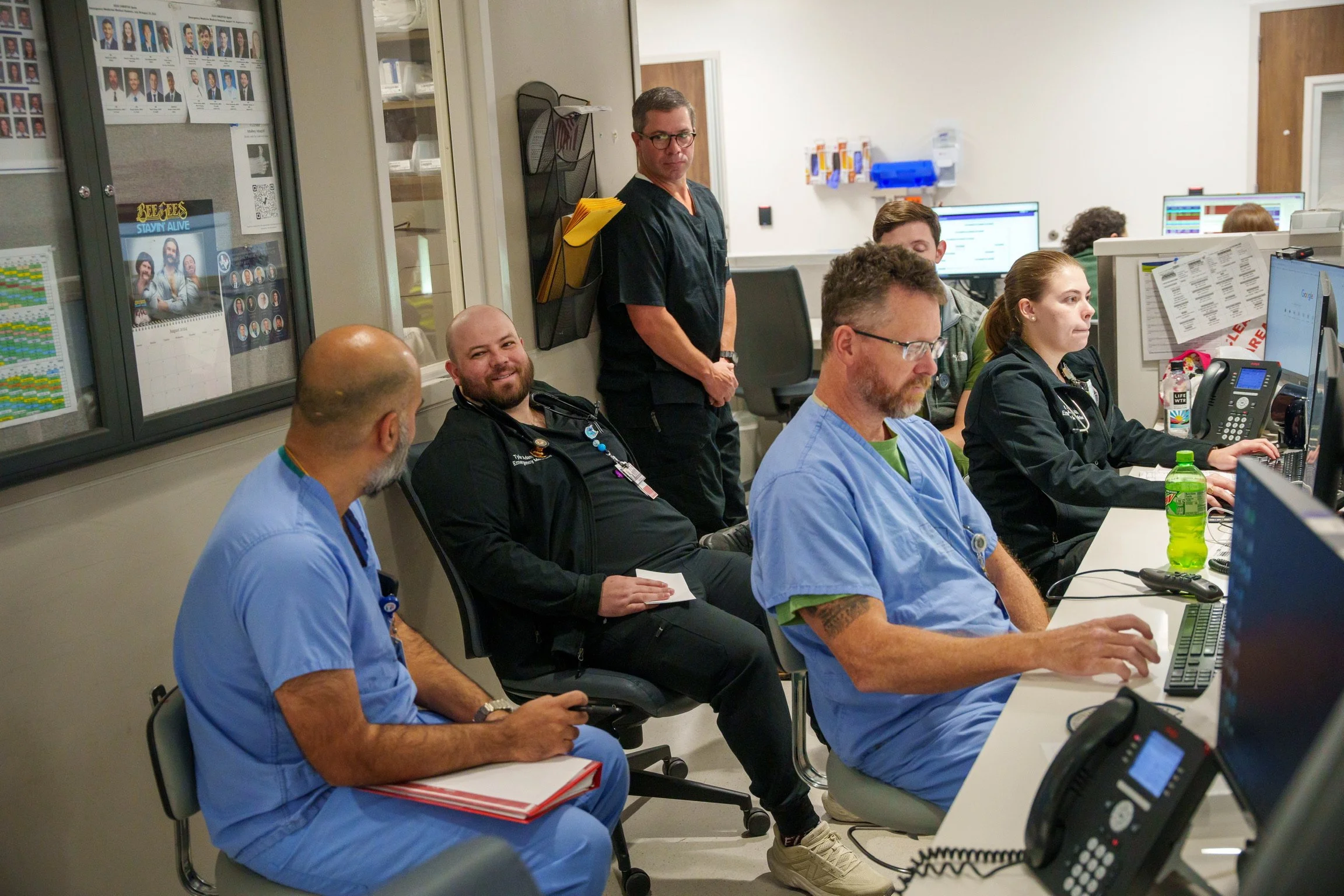
Exceptional Residency Culture
Comprehensive Curriculum
Moonlighting Opportunities
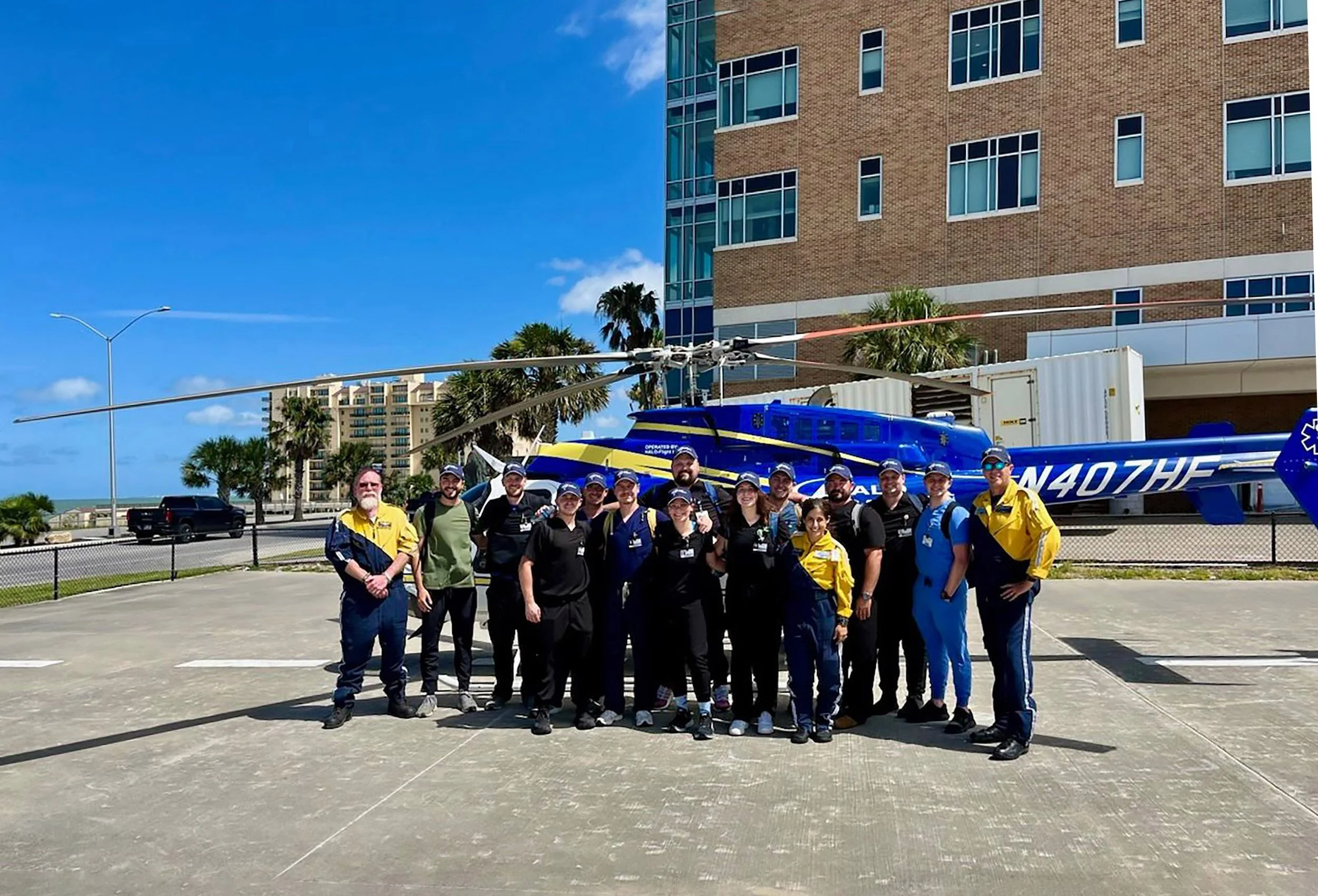
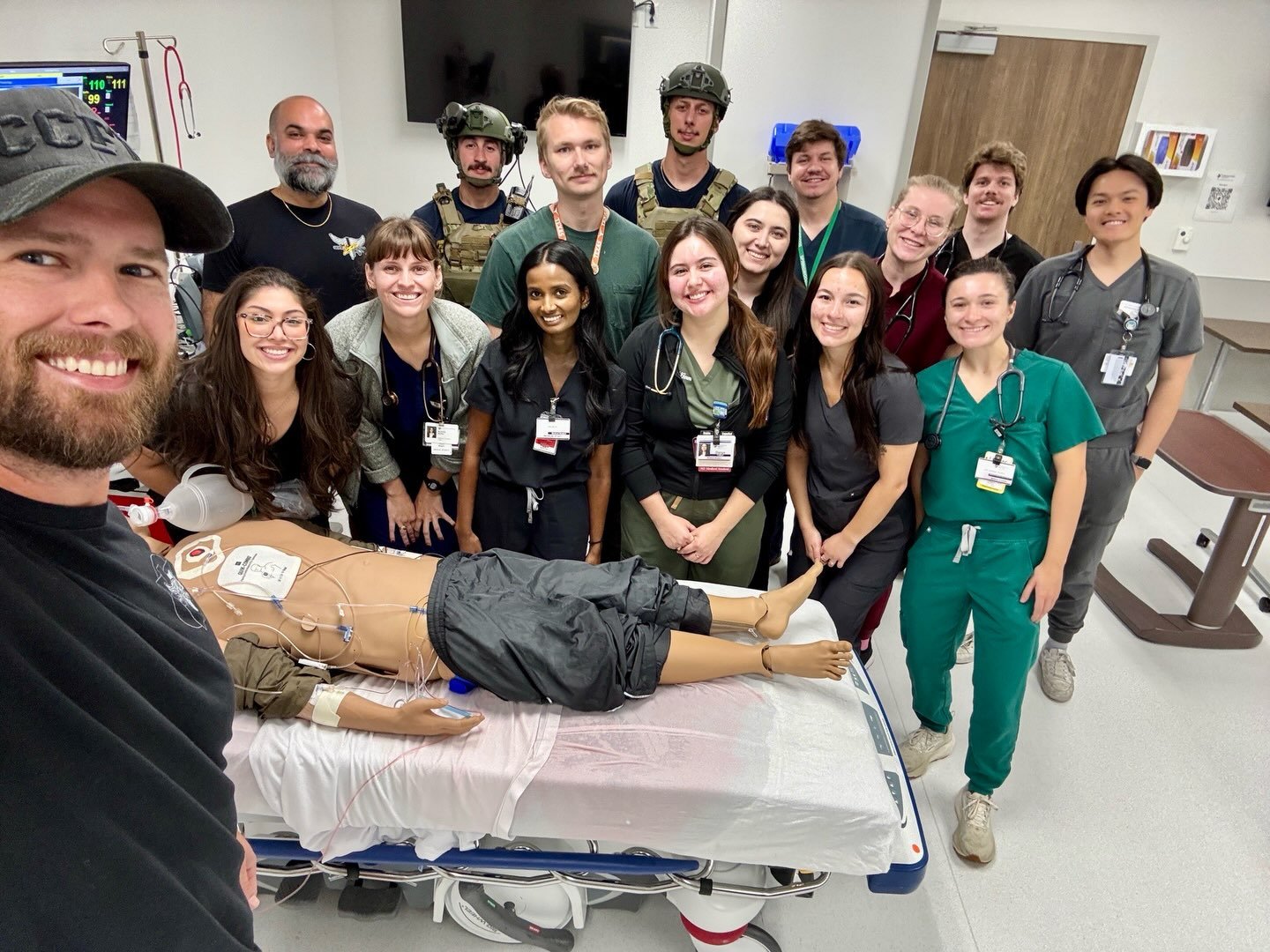
Partnerships with Universities, Police, Fire Department, EMS, SWAT, and Naval Air Base
FAQs
-
In our GME department, the only other programs are Family Medicine, along with their Geriatrics and OB/Women’s Health fellowships, which are primarily outpatient-focused.
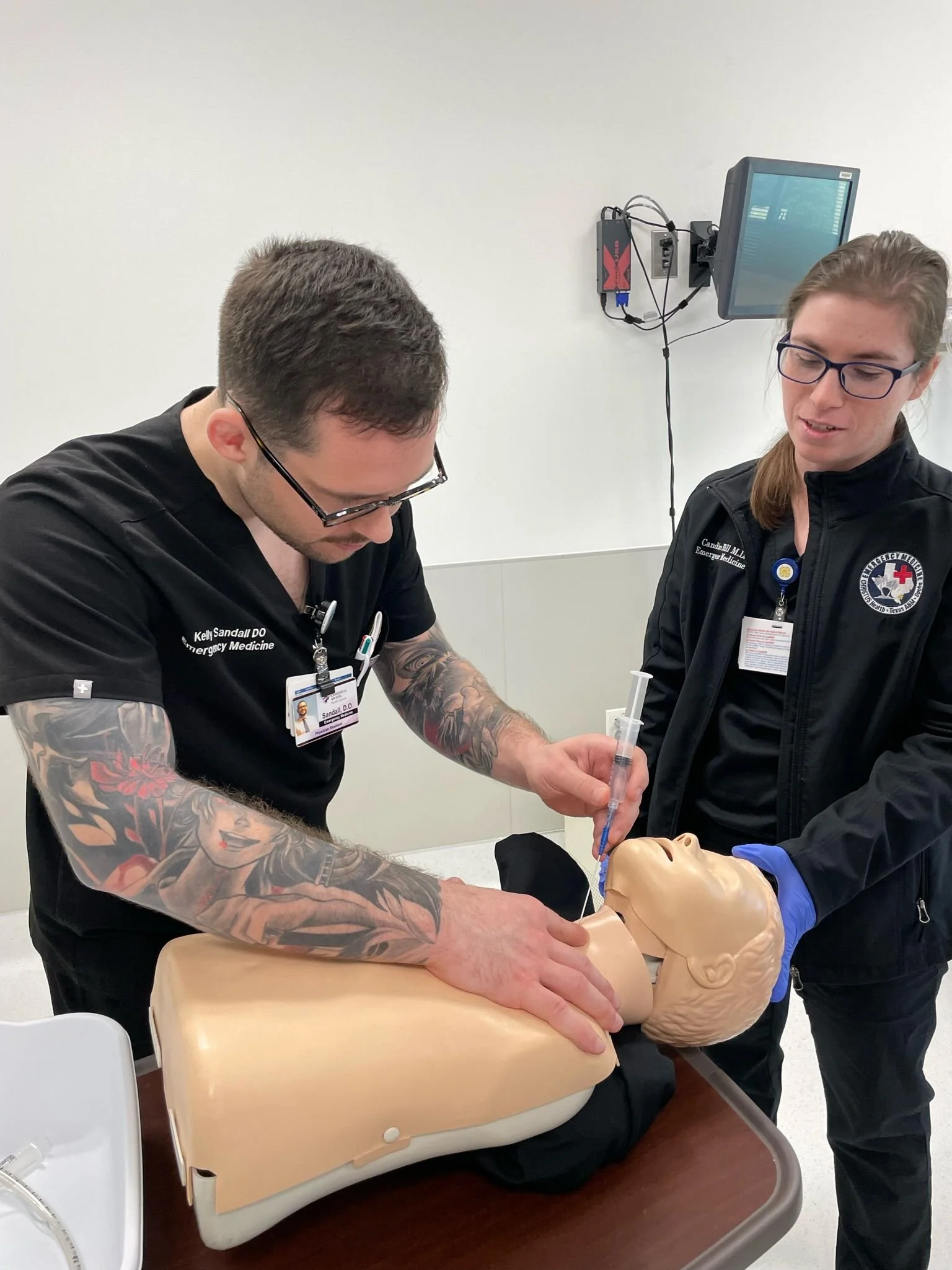
This means that every trauma and medical resuscitation in the hospital is led exclusively by EM residents, with the support of our EM, ICU, and trauma attendings. We never have to "share" procedures—every chest tube, intubation, orthopedic reduction, central line, arterial line, etc… every critical intervention is ours.
This structure ensures exceptional procedural volume, with most residents completing their ACGME-required procedural numbers by the end of intern year. Additionally, it allows us to perform high-acuity, low-occurrence (HALO) procedures, in both the ED and ICU—providing invaluable hands-on experience.
-
We follow a block scheduling system with 12 blocks per year, each lasting four weeks (28 days). Residents request the order of their blocks at the beginning of each year.
Scheduling & Shifts
Emergency Medicine (EM) Blocks:
PGY1: 20 shifts per block
PGY2: 19 shifts per block
PGY3: 18 shifts per block
Shifts follow an "8+1" model—we sign out at the 8-hour mark, with an additional hour built in for wrapping up tasks and notes. Thanks to our strong sign-out culture, residents rarely stay past the 9-hour mark.
We work day, swing, and night shifts, remaining on the same shift type for the entire block (e.g., a full block of days or nights). This minimizes frequent schedule changes and helps maintain a healthy sleep routine.
ICU Blocks: Residents work six 12-hour shifts per week.
Vacation & Time Off
Residents receive four weeks of vacation per year:
Two weeks are scheduled at the resident’s discretion (within block constraints).
Two weeks occur during our special “Transition” schedule over winter and summer, ensuring that everyone gets one week off during the holidays and one week off in the summer.
Beyond official vacation, it's possible to request long weekends for special events (e.g., weddings) during EM blocks or electives. Our culture is also very supportive of shift trades, making it flexible to accommodate last-minute needs.
-
Our hospital is a Level II Trauma Center. We serve a vast, rural catchment area in Texas, managing a high volume of both blunt and penetrating trauma.
Residents complete three Trauma ICU (TICU) blocks: one in PGY1 and two in PGY2. During these rotations, residents lead all new trauma activations in the emergency department and manage patients in the Trauma ICU. We work directly with attending trauma surgeons and are given a high level of autonomy in patient care. As a PGY2, you serve as the senior resident on the service, overseeing ICU patient management. These rotations provide extensive procedural opportunities.
-
PGY1s begin with a two-week orientation, which includes onboarding modules, procedural training, simulated cases, ER shadowing, and completion of the Advanced Trauma Life Support (ATLS) course.
For the first two months in the ER, there are "pretending" shifts, where PGY3s are paired with PGY1s to provide guidance throughout the entire shift. Senior residents assist with everything—from placing orders and procedural skills (like chest tubes) to running a Code Blue. This structured mentorship fosters early autonomy, giving PGY1s the confidence to manage even the sickest patients, knowing they have strong support every step of the way.
-
Our program offers ample opportunities for external moonlighting. While not required, moonlighting is encouraged and well-supported by program leadership. Residents become eligible to moonlight in PGY3, provided they meet all administrative requirements.
Our core moonlighting options are at CHRISTUS Spohn Alice, Beeville, and Kleberg hospitals—rural branches of our hospital system. Since they share the same protocols, EMR, and workflows as our main site, the transition is seamless. In these settings, moonlighting residents work solo 12-hour shifts in critical access facilities, managing high-acuity patients comparable to those seen at our primary hospital, Shoreline.
These experiences provide an invaluable opportunity for independent decision-making and clinical growth, all while being compensated at an attending pay structure.
Additional moonlighting opportunities are available at other rural facilities, stand-alone ERs, urgent care centers, and nearby HCA hospitals.
-
Each resident completes a longitudinal research project with full support from our research faculty and coordinator at every stage. Projects can be as simple or in-depth as residents choose, with access to extensive resources from both the hospital and Texas A&M University College of Medicine.
The majority of PGY3s present their work at local and national conferences, including TCEP, ACEP, and SAEM in recent years. Beyond the required research project, many residents engage in additional scholarly activities, such as FOAMed contributions, podcasts, and case reports, further enriching their academic experience.
-
Living in Corpus Christi, Texas, offers a unique blend of coastal charm, relaxed living, and the convenience of a mid-sized city with a population of approximately 320,000. The city is home to a diverse mix of families, retirees, military personnel (thanks to the nearby Naval Air Station), and a growing community of young professionals. The atmosphere is laid-back, with a strong sense of local pride and culture.
One of the biggest perks of living here is the lack of traffic—you can get from one side of the city to the other in under 30 minutes, making it easy to socialize with co-residents and faculty after a shift. The beach is always nearby, offering plenty of opportunities for water sports, fishing, and outdoor activities.
The weather is warm and humid for most of the year, with mild winters, allowing for year-round outdoor recreation. Another major advantage is the affordable cost of living, especially for a coastal city. As a resident, homeownership is very attainable, making it a great place to settle in and enjoy life by the water.
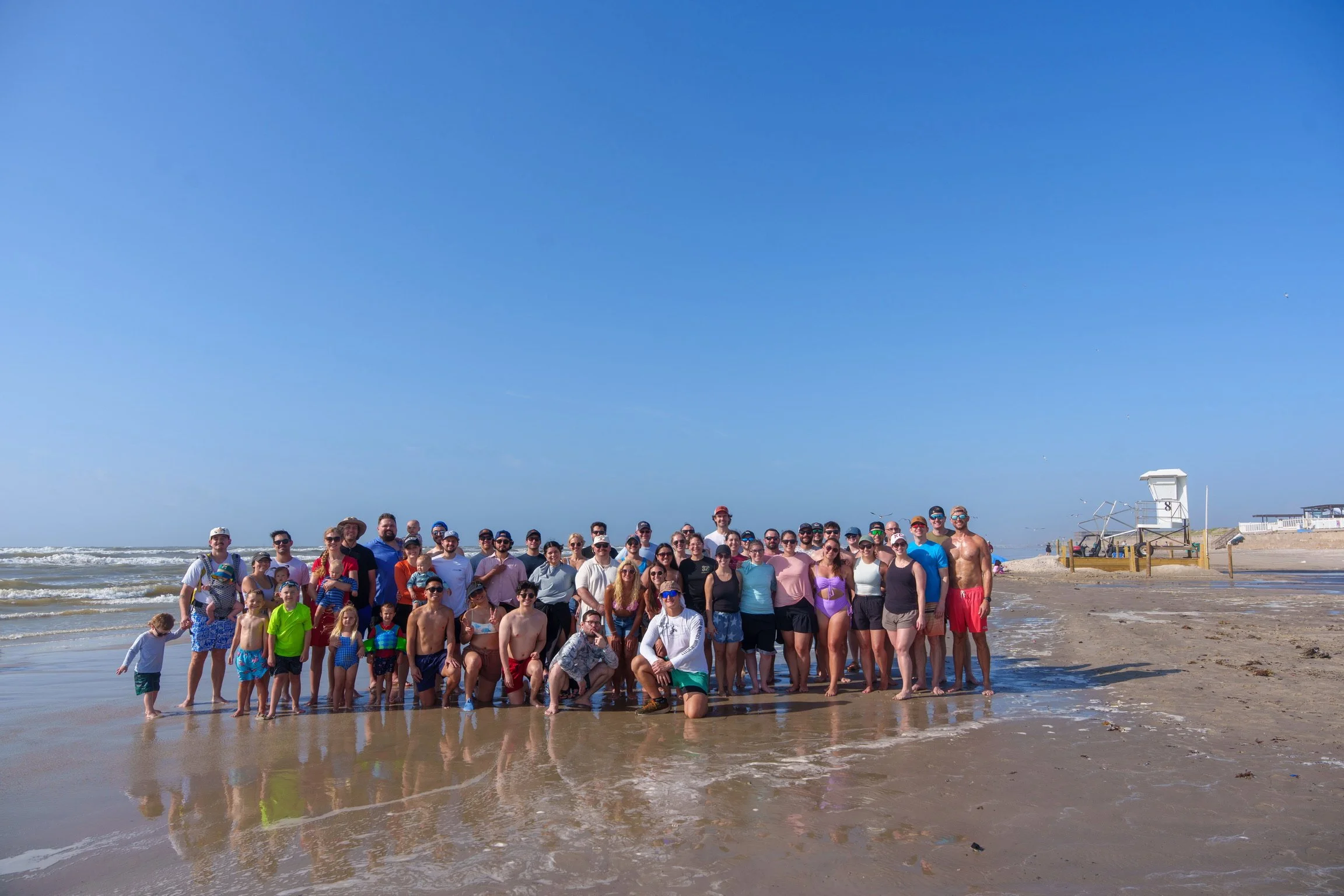
Life by the water has been proven to promote happiness.
We invite you to explore our website and contact us for more information.
Instagram @ccemrp